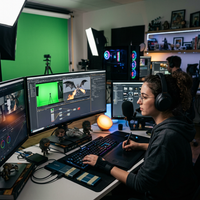
Write technical documentation and guides This guide shows beginners how to start technical writing with a realistic first week, the gear that actually matters, and mistakes to skip. Difficulty: intermediate. Category: Tech.
Why try Technical Writing
- Technical Writing is a tech hobby you can begin without a huge commitment.
- A intermediate path means you can get a first result using Technical Writing 101 by Alan S. Pringle and Sarah S. O'Keefe (3rd Edition).
- Major Hobbies curates three kits so you buy what you need for Technical Writing, not a whole store aisle.
Starter kits
Some links are Amazon Associates links. We may earn a commission at no extra cost to you.
Budget
Budget Starter
The foundational books and free-tool strategy to get started in technical writing with minimal upfront cost.
$175-$215 estimated
- Technical Writing 101 by Alan S. Pringle and Sarah S. O'Keefe (3rd Edition)$35
The most widely recommended beginner's textbook for technical writing — covers docs, structure, tools, and process.
Amazon (affiliate)
- The Elements of Style by Strunk and White (4th Edition)$10
Essential concise writing guide — teaches the clarity and brevity that defines excellent technical prose.
Amazon (affiliate)
- Google Docs (Free) + Grammarly Free Plan (Subscription: $0)$0
Free industry-compatible writing environment. Google Docs is widely used for collaborative technical documentation.
Amazon (affiliate)
- Microsoft Word 2021 (One-Time Purchase – Home & Student)$150
The universal standard for technical document creation and submission across all industries.
Amazon (affiliate)
Mid-range
Mid-Tier Serious Technical Writer
A step-up kit with professional authoring tools, deeper reference books, and the style guide that governs the industry.
$300-$370 estimated
- Microsoft 365 Personal (Annual Subscription)$70
Access to Word, Excel, and SharePoint — the core productivity suite used in nearly every technical writing role.
Amazon (affiliate)
- The Microsoft Manual of Style (4th Edition)$30
The definitive style guide for software and tech documentation — used across the tech industry as the benchmark.
Amazon (affiliate)
- Developing Quality Technical Information by Hargis et al. (3rd Edition)$55
IBM's foundational framework for quality documentation — teaches easy, clear, and concise writing at a professional standard.
Amazon (affiliate)
- Grammarly Premium (Monthly Subscription)$30
Polishes technical prose for grammar, clarity, and passive-voice issues before delivery to clients or employers.
Amazon (affiliate)
- MadCap Flare (30-Day Free Trial then ~$149/mo — first month)$149
The industry-leading Help Authoring Tool (HAT) for creating online help, manuals, and knowledge bases — essential to learn.
Amazon (affiliate)
Premium kit (not a paid feature)
Premium Enthusiast
Professional-grade authoring tools, certifications, advanced references, and everything needed to work as a senior or freelance technical writer.
$460-$570 estimated
- Adobe RoboHelp (Annual Subscription)$240
Industry-leading professional HAT for creating multi-channel technical documentation, online help systems, and PDFs.
Amazon (affiliate)
- Microsoft 365 Personal (Annual Subscription)$70
Core productivity suite for document creation, spreadsheet-based content inventories, and team collaboration.
Amazon (affiliate)
- The Microsoft Manual of Style (4th Edition)$30
Authoritative style reference — required reading and daily reference for any professional tech writer.
Amazon (affiliate)
- Developing Quality Technical Information by Hargis et al. (3rd Edition)$55
The gold-standard textbook for understanding IBM's documentation quality principles used globally.
Amazon (affiliate)
- CPTC Exam Preparation Guide by the Society for Technical Communication$60
Official prep guide for the Certified Professional Technical Communicator exam — the field's top credential.
Amazon (affiliate)
- Grammarly Business (Monthly Subscription)$25
Team-grade writing assistant with style guide enforcement, tone detection, and consistency checks across documents.
Amazon (affiliate)
- XML: A Manager's Guide by Kevin Dick (4th Edition)$35
Essential for understanding structured authoring and DITA XML — increasingly required in senior technical writing roles.
Amazon (affiliate)
Your first week of Technical Writing
- Day 1: Read this page and pick the budget kit for Technical Writing. Order or borrow Technical Writing 101 by Alan S. Pringle and Sarah S. O'Keefe (3rd Edition).
- Day 2: Set up a small space. Watch one beginner demo specific to Technical Writing.
- Day 3: Do a 20–30 minute first session. Goal: finish something tiny, not perfect.
- Day 4: Rest or review notes. Log the session in Major Hobbies Track.
- Day 5: Second session. Repeat yesterday, 10% slower and cleaner.
- Day 6: Join the Technical Writing community or find a spot Near You.
- Day 7: Share one photo or note of what you made. Plan week two.
Tips
- Start with Budget Starter before upgrading.
- Protect your time: two short Technical Writing sessions beat one exhausted marathon.
- Take a photo of your setup so you can reset it next time.
- Ask one question in Community instead of buying more tools.
- If you stall, drop difficulty, not the hobby.
FAQ
How much does it cost to start Technical Writing?
Most beginners start around $175-$215 with the Budget Starter. Mid and premium kits exist when you know you will stick with Technical Writing.
Is Technical Writing good for beginners?
Technical Writing is listed as intermediate, but you can still start with the budget kit and a short first week.
What do I need for Technical Writing?
Open the three starter kits on this page. The budget list is the honest minimum for Technical Writing.
Where can I do Technical Writing near me?
Use Near You on this page or majorhobbies.com/near?q=Technical%20Writing to find classes, studios, and venues.